The Building System Carbon Framework
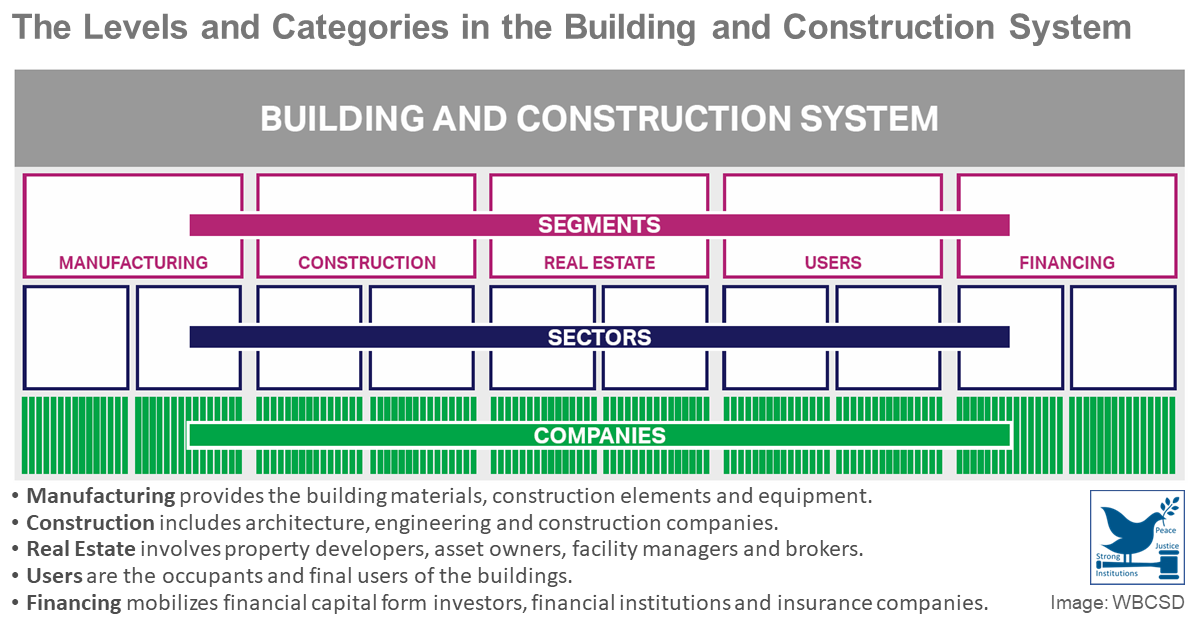
A common carbon framework across sectors is becoming increasingly important as policymakers struggle to set more ambitious carbon reduction goals. The Building System Carbon Framework bridges embodied and operational carbon and is neutral on materials and solutions. It enables users to identify the best emissions-red ...
Posted on 08/06/22
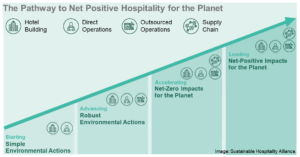
Pathway to Net Positive Hospitality for the Planet.
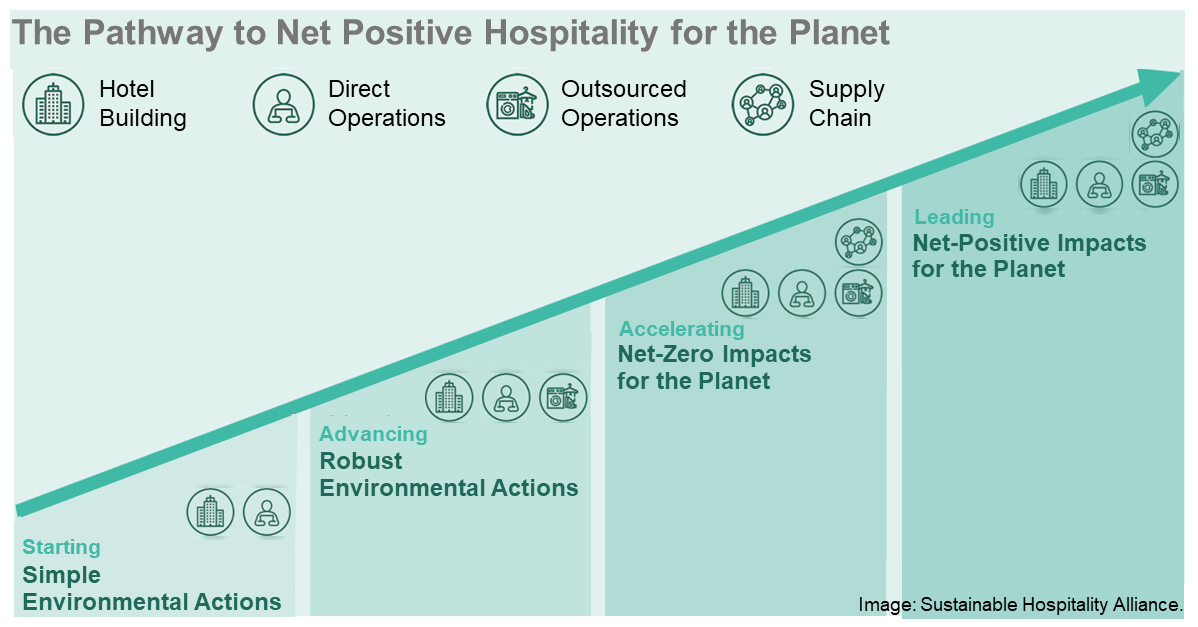
Collaboration across the value chain enables hospitality to be a powerful force for improvement, with a tangible positive impact on the environment. The Pathway has been created by the industry for the industry, in consultation with numerous stakeholders across the value chain. It offers simple and practical solution ...
Posted on 02/06/22
AIA-CLF Embodied Carbon Toolkit
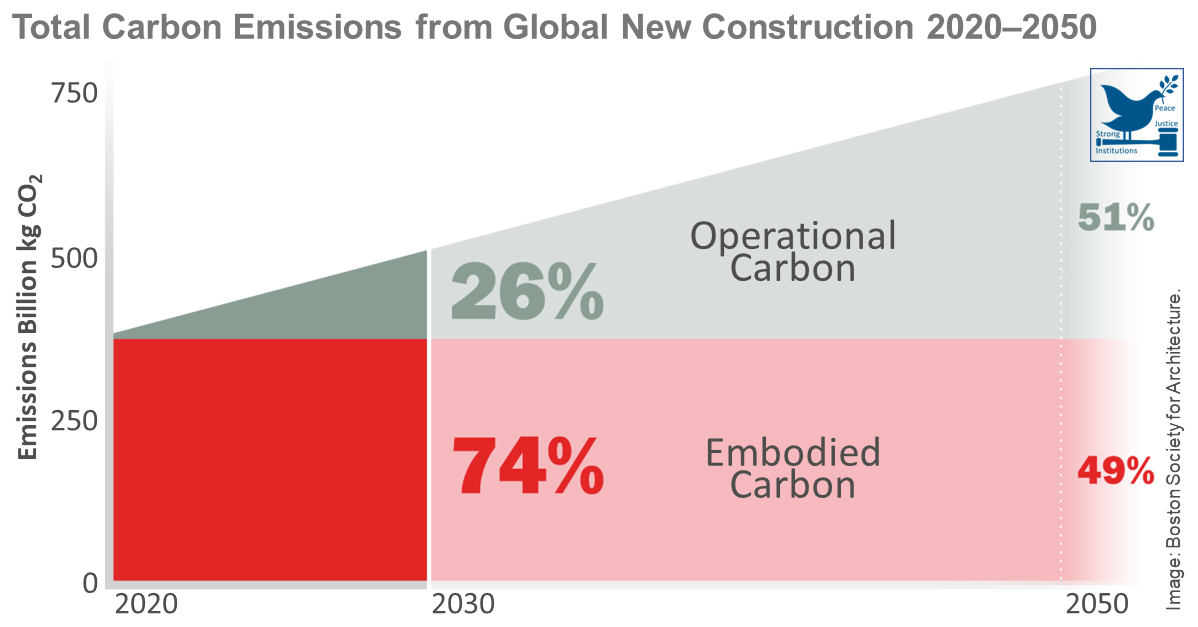
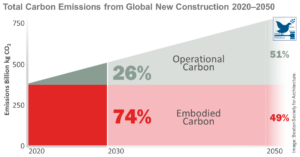
To decarbonize buildings, architects and building designers must reduce the environmental footprint and CO2 emissions associated with materials over the whole life cycle of building. Through life cycle assessment (LCA), the highest-impact, most cost-effective solutions to reducing embodied carbon are identified. This ...
Posted on 09/05/22
Barriers to Achieving Sustainable Construction Project Procurement in the Private Sector
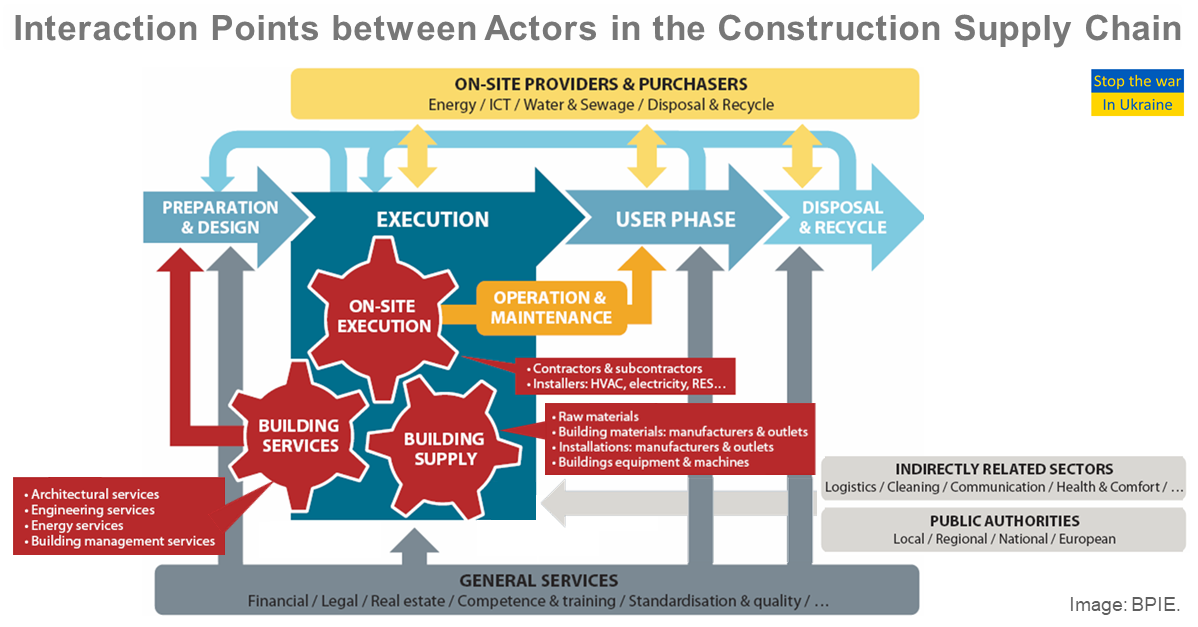
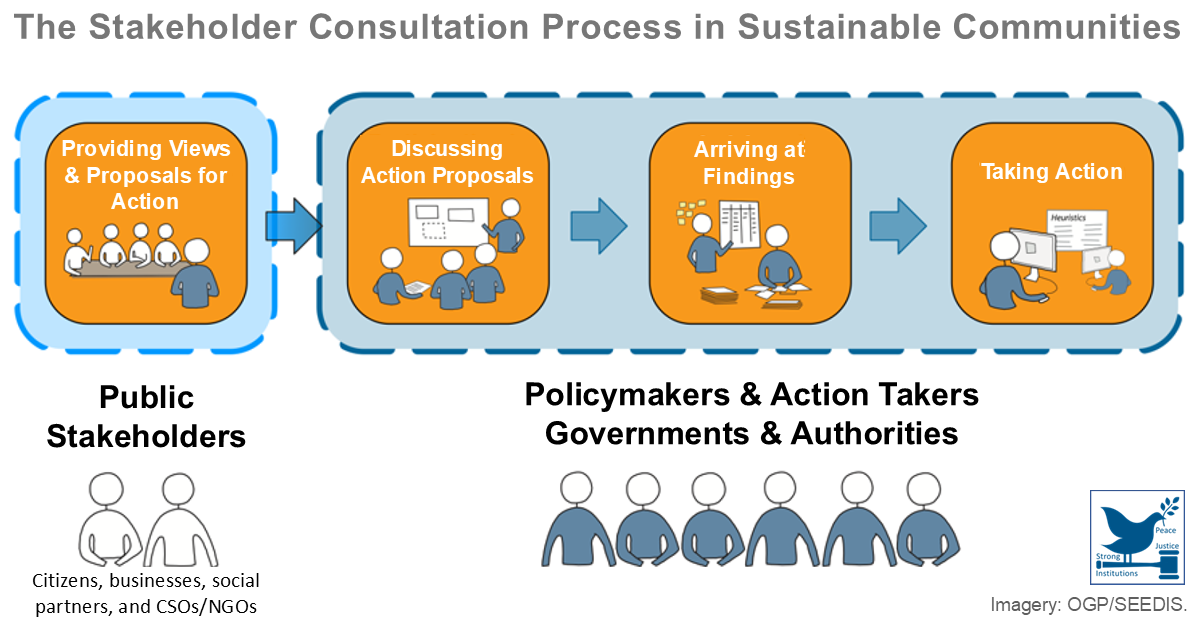
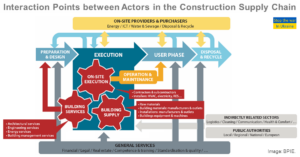
Sustainable procurement management (SPM) as an approach to integrating sustainability into construction projects that takes into account the social, ecological, and economic consequences of procurement decisions. This study recognizes several challenges that obstruct the effective interaction between stakeholders in a ...
Posted on 14/04/22
Climate Change 2022 – Mitigation of Climate Change
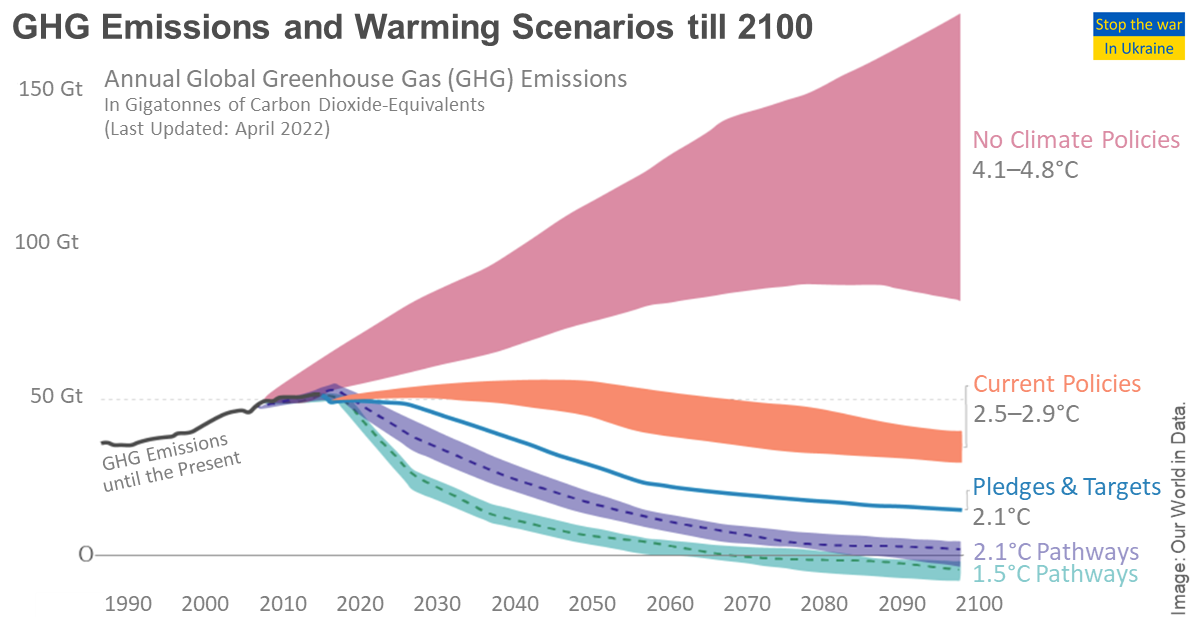
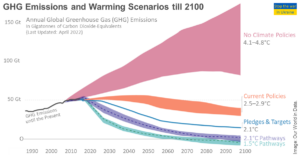
The world will warm by 3.2°C this century even if all the policies to cut carbon that governments have so far adopted were fully implemented. The high overshoot will increase climate risks for vulnerable regions and societies, causing unprecedented heatwaves, terrifying storms, and widespread water shortages and irrev ...
Posted on 09/04/22
Postings2025-01-08T09:00:41+02:00